OSI-Lab: Organization of Science and Innovation Lab
OSI-Lab is a computational social science lab at the Graduate School of Science and Technology Policy, KAIST, studying how science works: how research teams organize and divide labor, how AI is reshaping scientific work, and how science informs policy and innovation. We build large-scale data pipelines over millions of publications, patents, and policy documents — combining bibliometrics, natural language processing, LLM-based information extraction, and causal inference — on our in-house computing infrastructure.
Our current research asks how generative AI is changing the division of labor in science, parsing author contribution statements from millions of open-access full-text papers and tracing LLM adoption across fields; how scientific evidence travels into policy and how policy ideas diffuse, using the Overton database of policy documents; and how dual-use and strategic technologies can be identified in patent and publication corpora with embedding-based methods. We also study the evaluation and commercialization of publicly funded research, research misconduct and retraction, mentoring and the reproduction of scientists, and scientific careers and mobility.
People
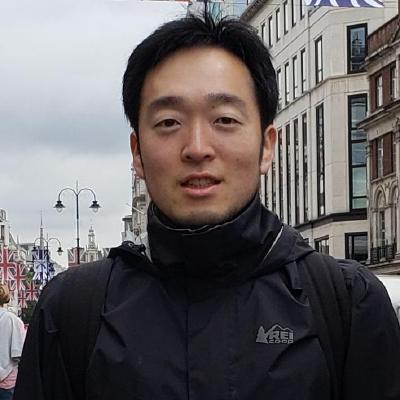
Seokkyun Woo
Assistant Professor
Science of ScienceDivision of Labor in ResearchAI and Scientific Work
Seokkyun studies the social and organizational structure of science — the division of labor in research teams, mentoring and scientific careers, and the evolving role of AI in scientific production — combining large-scale bibliometric data with computational text and network analysis.
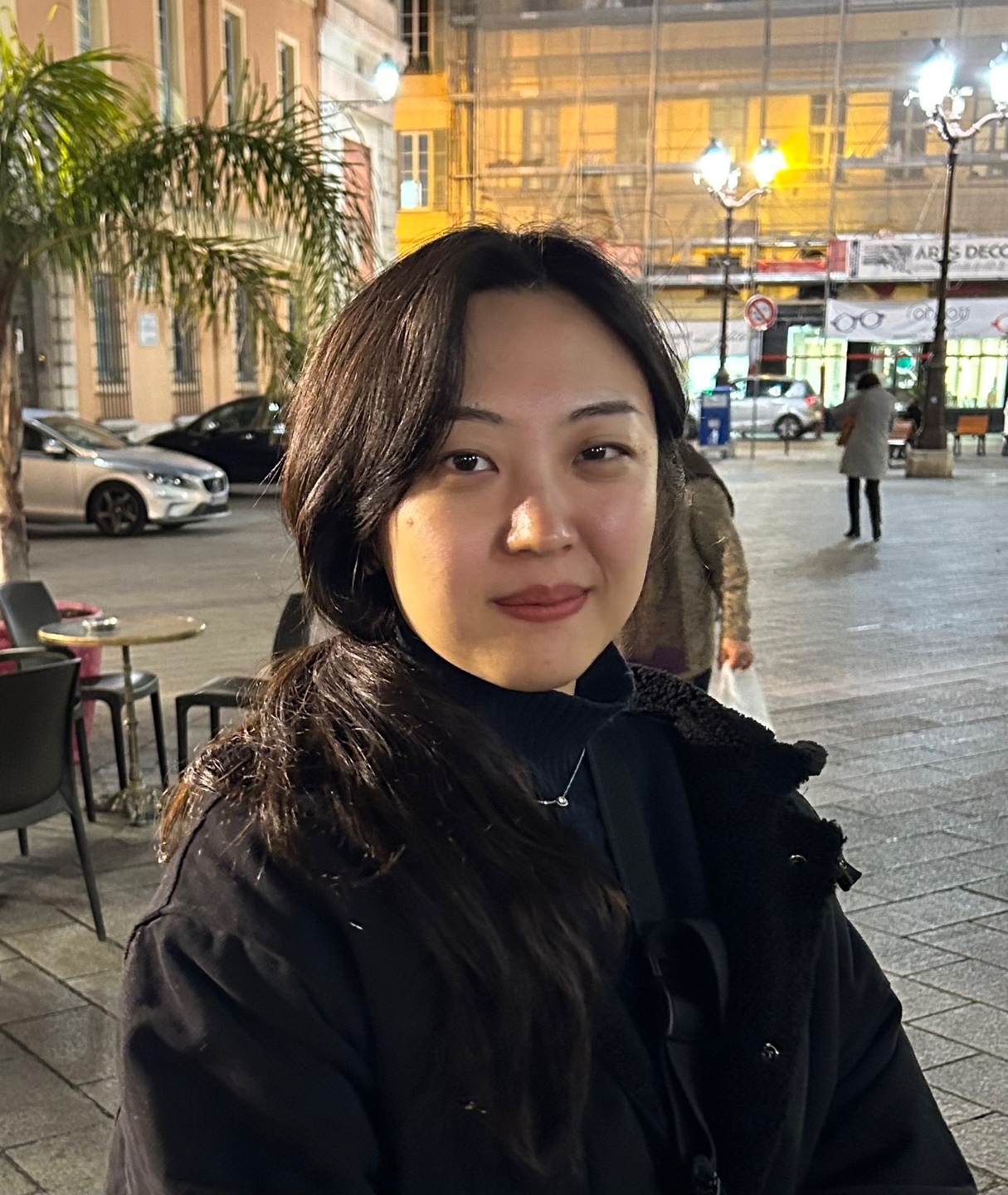
Seohyeon Park
PhD Student
S&T GovernanceScientific CommunityPublic Understanding of S&T
Seohyeon holds Bachelor's and Master's degrees in Economics and explores how stakeholders within the science and technology ecosystem coordinate and evolve their roles through conflict and cooperation, and how R&D agendas, objectives, and impact assessment emerge from these processes.
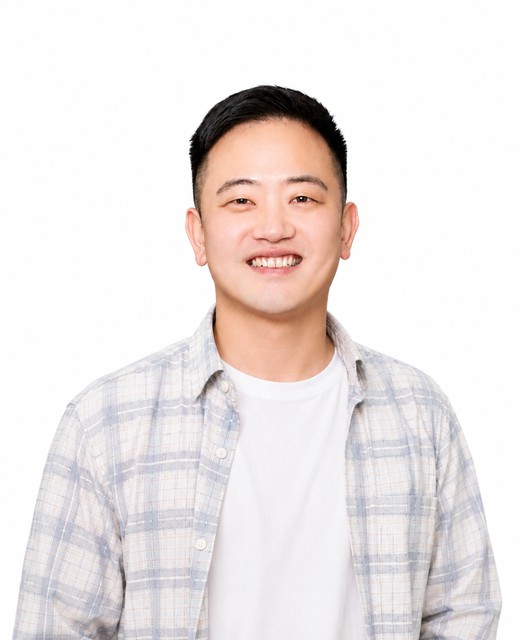
Moonyul Yang
PhD Student
Technology–Security NexusDual-Use TechnologyExport ControlsDefense-Industry InnovationGeopolitical Knowledge Flows
Moonyul's research examines the intersection of technology and security. It focuses on how dual-use technologies are defined, measured, and governed, as well as how export-control regimes and geopolitical relations shape their development and diffusion. Combining patent and citation data with computational text analysis, embedding-based retrieval, and LLM-assisted classification, he analyzes these processes across patents, firms, and countries — from defense-industry innovation to cross-national knowledge flows.
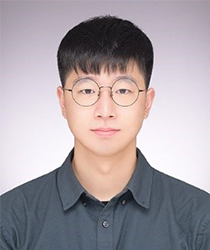
SeungChan Choi
PhD Student
Social InfrastructureGeopoliticsNetwork Development
SeungChan aims to understand social infrastructure as a new artificial geopolitical element, with a focus on network and communication infrastructure — including the history of the Internet's development in Korea — and the roles that companies and states play in building it.

Doah Kwak
MS Student
Digital GapICT GovernanceAI Ethics
Doah studied Spanish and AI Convergence and developed an interest in global ICT governance, digital inequality, and AI ethics while interning at CITEL (OAS). She explores how international ICT governance frameworks are formed and how ICT and AI can be used in more inclusive and sustainable ways.
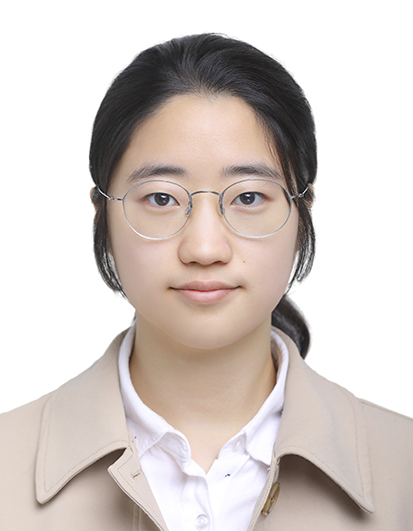
Hyeree Kim
MS Student
Science of ScienceScience and Technology PolicyKnowledge Production
Hyeree is interested in computational approaches to understanding scientific knowledge production. Her research explores how scientific knowledge is shaped by both epistemic processes and broader social systems, with the goal of contributing to science and technology policy.
Join Us
We are accepting applications for graduate students interested in the science of science, computational social science, and science & technology policy. Strong candidates typically have (or are eager to build) skills in Python, data analysis, and working with large datasets. Contact: wsk618 [at] kaist.ac.kr.
